
RESIDENT EVIL in Large-Format: 5 Reasons I'm Excited
RESIDENT EVIL looks built large-format cinema. From expanded IMAX framing to low-light cinematography and spatial sound, here’s why Zach Cregger’s latest has my attention.
Zach Cregger is still a filmmaker I’m getting used to seeing on screens this big...
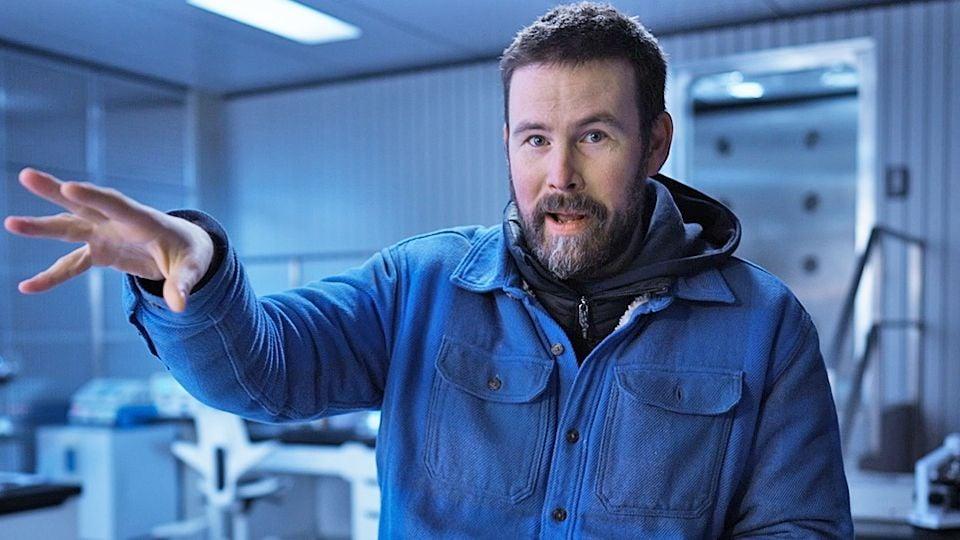
WEAPONS (2025) was the film that changed that for me. Horror doesn’t always get the easiest ride in premium large-format, particularly with age ratings cutting down part of the potential audience, but that film absolutely justified the space it was given. The cinematography, sound design and patience of the camera all felt like they benefited from being experienced on a much larger canvas.
PlayStation’s State of Play on September 3rd gave us a much longer look at RESIDENT EVIL (2026), and suddenly I was being drawn into a world - a new world breathing life to an already established apocalypse.
So here's 5 reasons why I'm excited about RESIDENT EVIL in Large-Format Cinema!
IMAGE-MAXIMUM
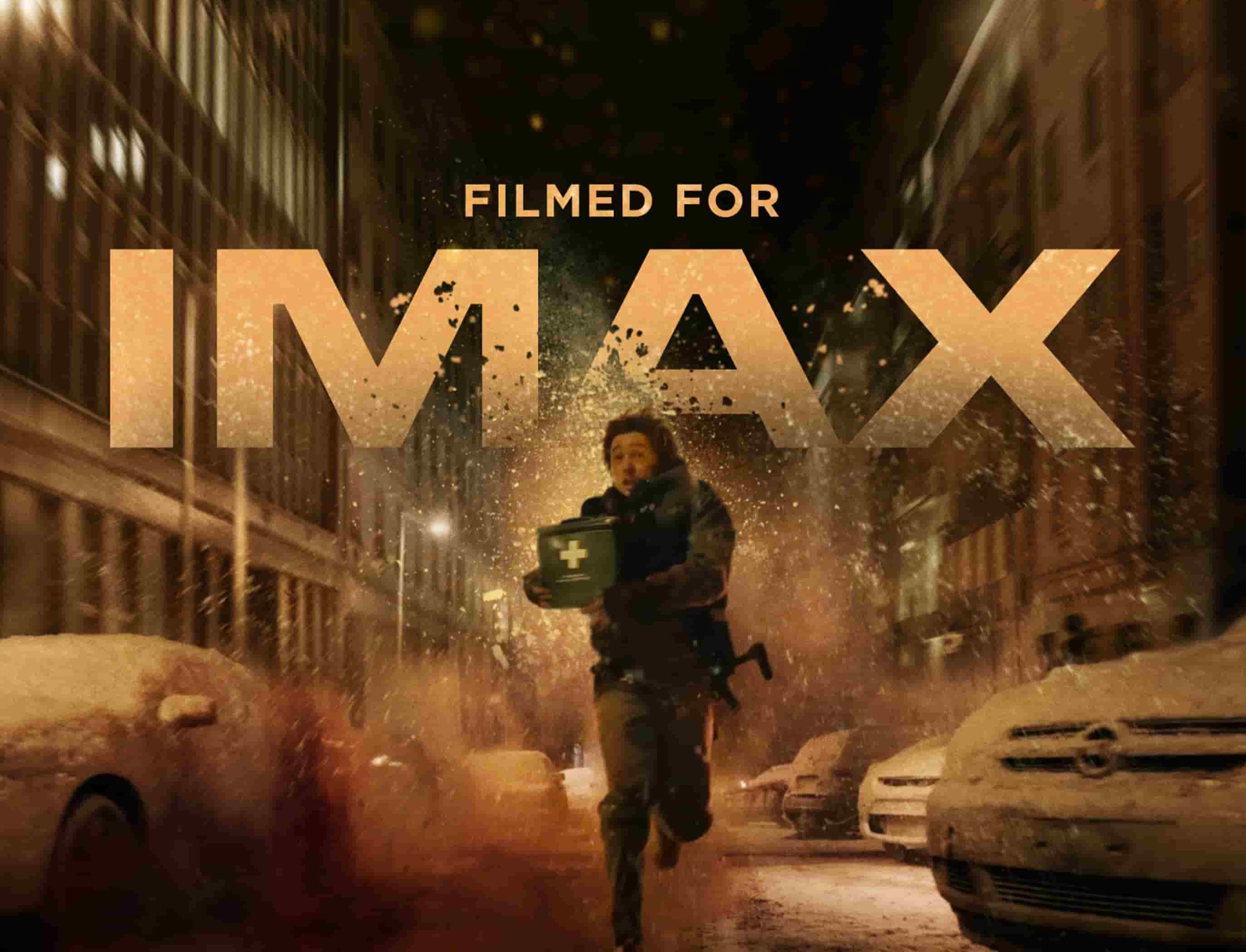
RESIDENT EVIL (2026) is FILMED FOR IMAX, with selected sequences (about one-third of the film) opening into the expanded 1.90:1 aspect ratio.
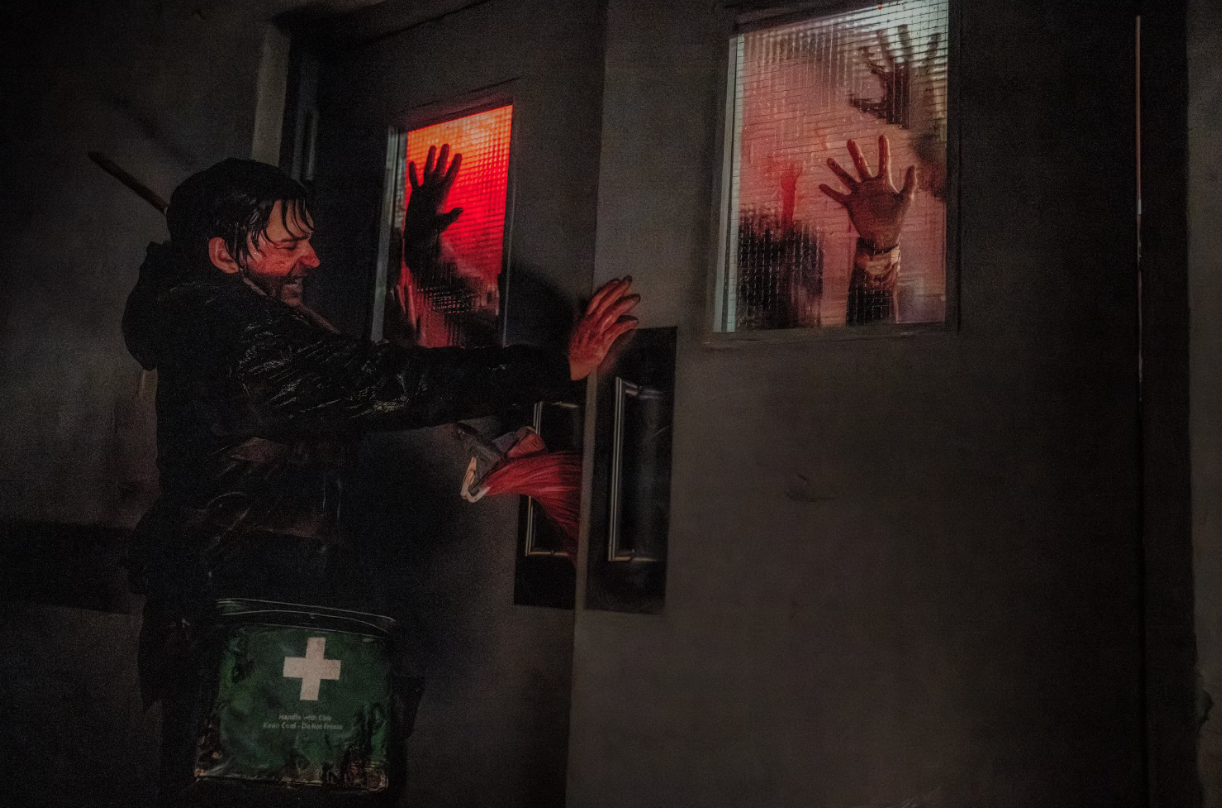
That interests me because the Resident Evil series has always been about moving through spaces, whether that’s corridors, streets, abandoned buildings or places you probably shouldn’t be entering in the first place. Cregger’s film appears to follow that same idea, constantly pushing new character Bryan through eerie environments as his night gets progressively worse.
So when that frame expands, I’m not necessarily looking for bigger action. I want more of the world around him, more vertical space and more opportunity for the image to make us feel uneasy. In a film like this, that extra screen real estate could be used just as effectively for dread as it is for spectacle.
And, preferably, there’ll be something horrible hiding somewhere in it.
PURE-DOLBY-DREAD
Dolby Cinema's pure blacks might just hit different...
Cinematographer Dariusz Wolski, ASC most probably shot the film using the Sony VENICE 2, with much of the imagery leaning into darkness, practical light and low-light photography. That immediately makes Dolby Vision an interesting proposition, because the appeal here isn’t about making everything brighter, it's about preserving detail and colour while still allowing the blacks to feel genuinely black.
For horror, that matters. A dark corridor should still feel like a dark corridor, but you want just enough information in the image to wonder whether something is standing at the end of it.
Then there’s Dolby Atmos. With a film built around creatures, movement and things happening beyond Bryan’s immediate field of view, sound placement could become part of the scare itself. A noise behind you, something shifting off to one side or a sound arriving before you see what caused it is exactly where a proper premium audio mix can make a difference.
Did you know that Dolby Atmos has 64 surround speakers while IMAX has 12?
Director of Photography Dariusz Wolski's Approach
This is probably the technical detail I’m most interested in.
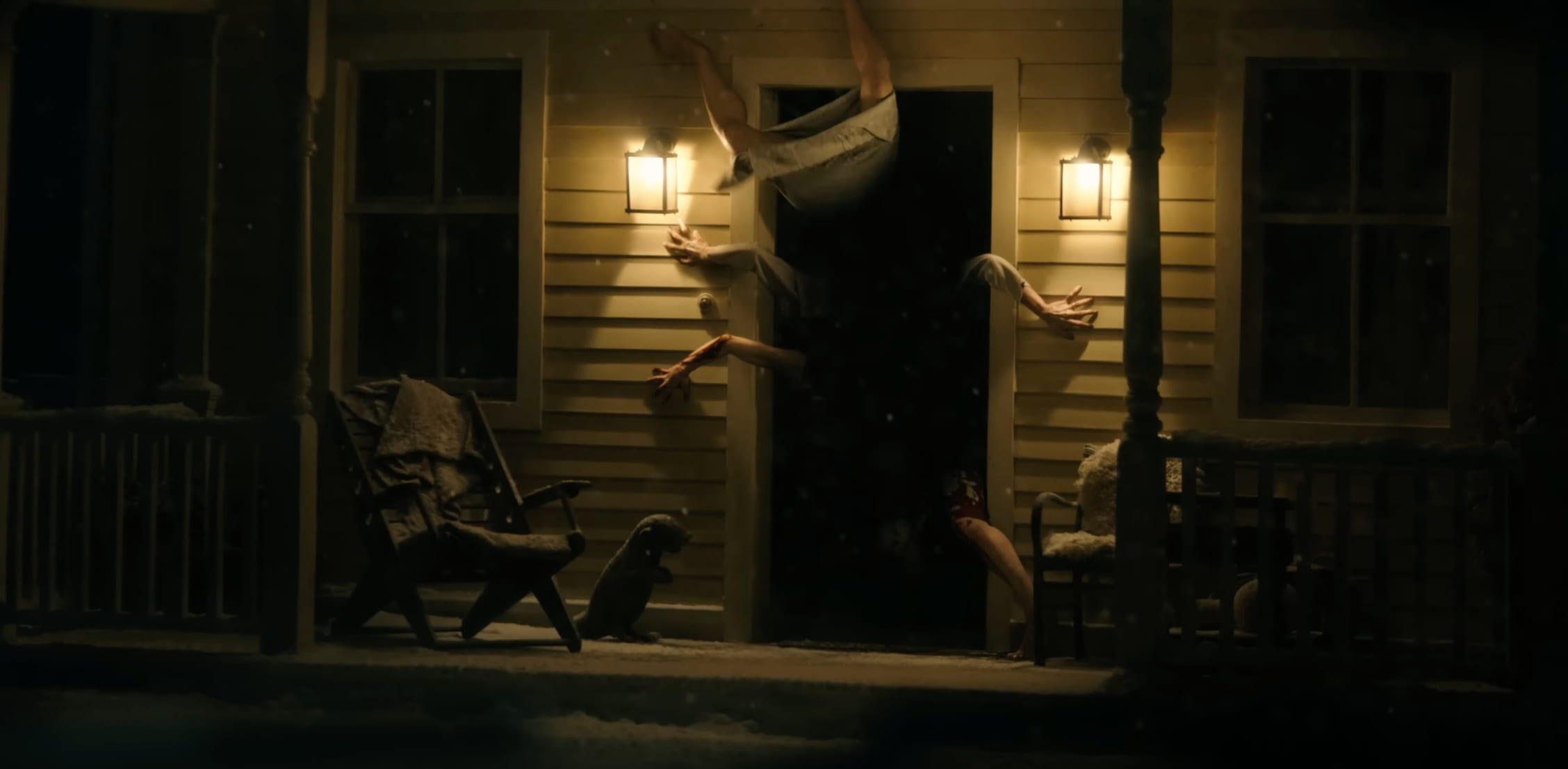
Cregger and Wolski have talked about keeping the camera close to Bryan, often following around his shoulder as he moves through environments. It isn’t literally trying to turn the film into a third-person video game, but there’s clearly some of that visual language being carried over into the cinematography.
On a large-format screen, that could work brilliantly. Instead of simply watching Bryan enter a new space, the camera can take us in with him, keeping the geography of the environment intact and letting the tension build inside a larger frame.
That’s the kind of camera work I want to see given room to breathe.
While I don't have concrete information to report on the production notes of the film, I assume that the production team would have used a Sony Venice 2 as this is certified and labelled "FILMED FOR IMAX".
AUSTIN ABRAMS IS BACK
Cregger has also brought Austin Abrams across from WEAPONS, and I think that makes a lot of sense.
Bryan isn’t Leon Kennedy, Chris Redfield or another character walking into the film with decades of Resident Evil history behind him. He’s a medical courier thrown into a situation that very quickly becomes far bigger than him, which gives Cregger the freedom to explore the universe without simply recreating something we’ve already played before.
It also gives all of the large-format spectacle something human to sit around. The screen can get bigger, the environments and creatures can get bigger & Abrams has already proved with WEAPONS that he understands Cregger’s tone, so having him as the anchor here feels just right.
CREGGER SEEMS TO ACTUALLY GET RESIDENT EVIL
And finally, Zach Cregger himself.
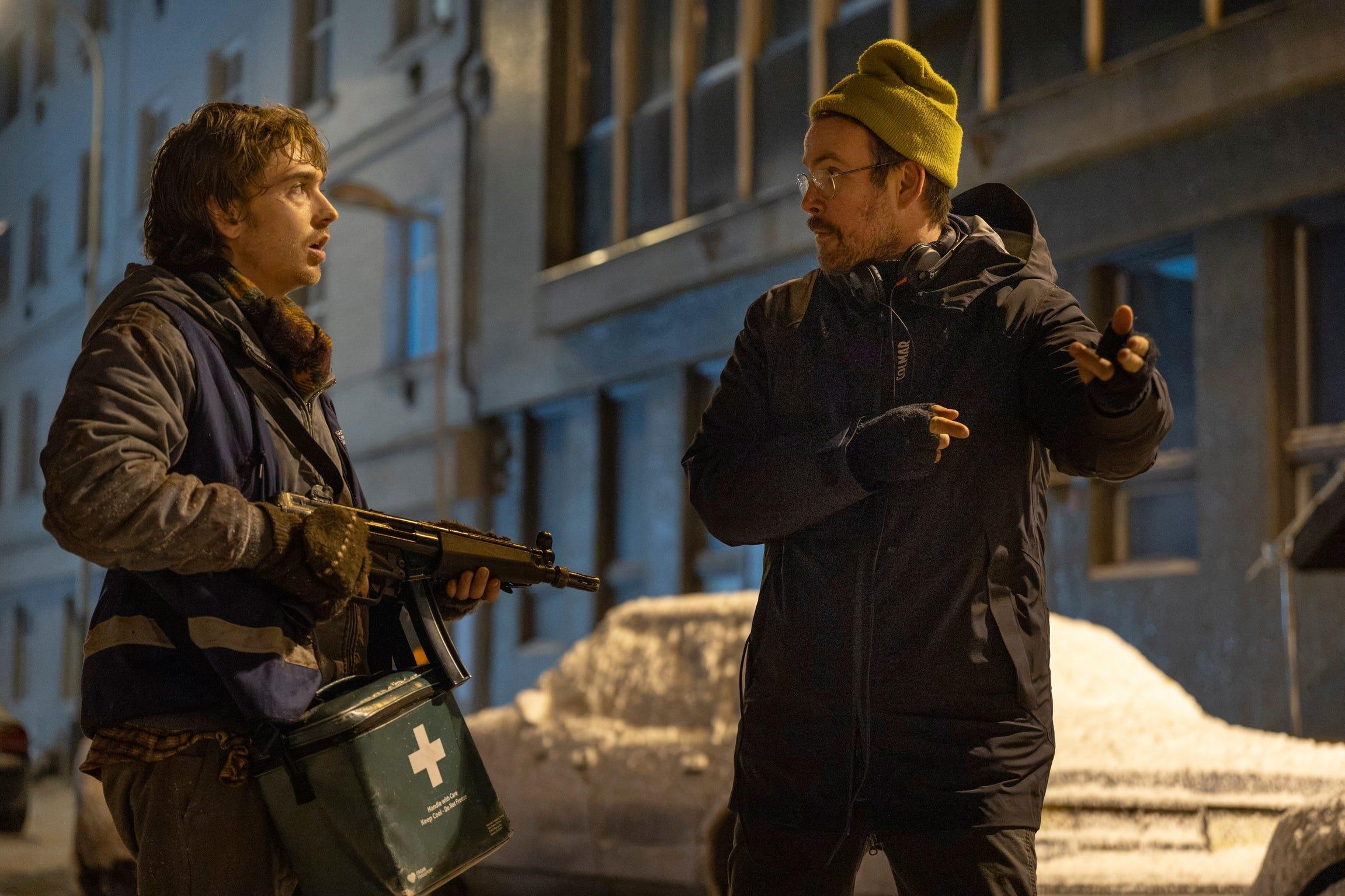
What reassures me most is that he doesn’t seem interested only in the recognisable characters, monsters or iconography of the Resident Evil series. He talks about what it actually feels like to play these games: conserving ammunition, deciding when to heal, entering somewhere new without knowing what’s waiting there and constantly having to choose whether to fight or keep moving.
He’s spoken about his love for Resident Evil 4, playing through the wider series and even experiencing Resident Evil Village in VR... Now I'm wondering if he could adapt Remedy's Alan Wake...
And that’s where the large-format angle becomes genuinely interesting to me. If Cregger is trying to translate the tension, geography and forward momentum of playing Resident Evil into cinema, then a bigger image, stronger low-light presentation and more precise sound could genuinely add something to the experience because it's not just about the bigger frame but the writer-director knows what to do with this space.
So with all those 5 points, I'm still very excited to catch RESIDENT EVIL (2026) in IMAX with Laser at the BFI IMAX as my home for large-format cinema. I would highly recommend Cineworld Leicester Square's IMAX with Dual Laser projection system for deeper blacks with a taller Expanded 1.90:1 frame during select sequences and Dolby Cinema for the deepest blacks and pure visceral surround-sound in this new horror feature.
RESIDENT EVIL releases nationwide from Friday 18th September, with presentations including IMAX, Dolby Cinema, HDR by Barco and other premium large-format screens.